Stage a Metro Home for Today's Buyers in OKC
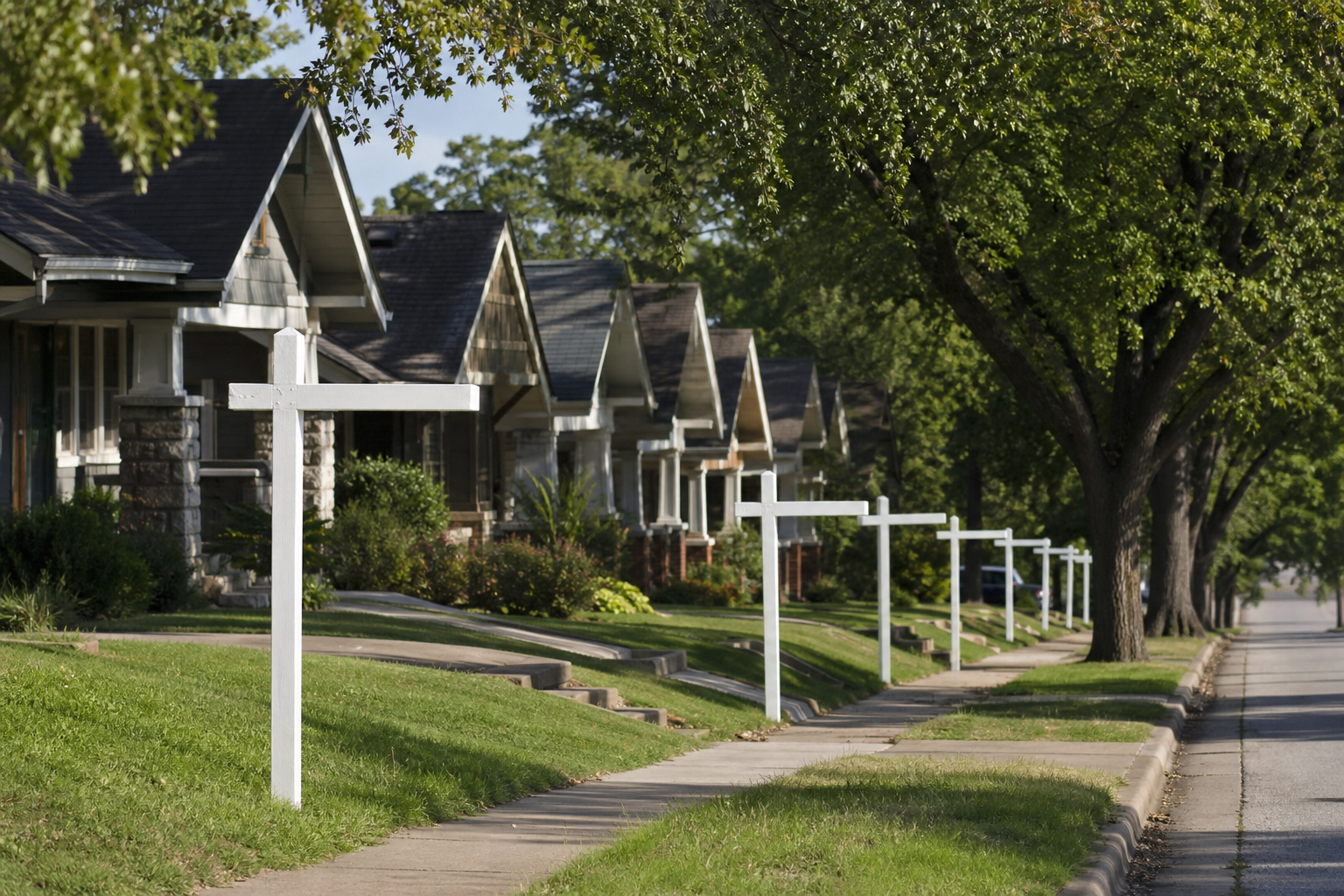
Staging an Oklahoma City metro home for today's buyers means decluttering every room, correcting lighting, improving curb appeal, and getting photograph-ready before listing. With inventory up and homes averaging 55 days on market, a well-presented home competes harder for buyer attention.
How do you stage an Oklahoma City metro home for today's buyers?
Staging an Oklahoma City metro home for today's buyers starts with removing what distracts and highlighting what sells: space, light, and livability. With active listings up nearly 8% year over year and homes sitting a median of 55 days before selling, according to Realtor.com's August 2026 Oklahoma City market report, a clean, photograph-ready presentation is no longer optional. It's the baseline for competing.
Key Takeaways
- Oklahoma City metro homes took a median of 55 days to sell in August 2026, 10% longer than the prior year, making visual presentation a direct competitive factor.
- Nearly 23.8% of OKC sellers reduced their asking price in August 2026, a signal that overpriced or under-prepared listings are stalling out.
- According to the NAR 2025 Profile of Home Staging, 83% of buyers' agents say staging helps buyers visualize a property as their future home.
- The living room, primary bedroom, and dining room are the three most commonly staged rooms nationally, prioritize them first.
- Staging cannot substitute for accurate pricing or needed repairs, but it can help your listing earn more attention when buyers have more choices.
Why staging matters more right now in Oklahoma City
The Oklahoma City market has shifted. As of August 2026, Realtor.com data shows 7,773 active listings metro-wide, up 7.8% from a year ago. The median listing price has edged down to $314,000, and homes are spending about 55 days on market before going under contract. That's a full week longer than a year ago.
What that means practically: buyers have options. They're scrolling past listings that look cluttered, dark, or hard to read in photos. The homes that get showings are the ones that look move-in ready from the first online image.
I tell every seller I work with the same thing: staging doesn't replace pricing, and it doesn't fix deferred maintenance. But when you're competing against dozens of similar homes, presentation is the first filter buyers apply. Whether staging is worth the investment depends on your specific situation, but the preparation basics I'm laying out here cost more in time than money, and they matter regardless.
According to the NAR 2025 Profile of Home Staging, 49% of sellers' agents reported staged homes spent less time on market, and 29% said staging increased the dollar value offered by 1% to 10%. Those are agent-reported survey results, not a guarantee for any individual property, but the direction is consistent: prepared homes perform better.
The right preparation sequence
Before you touch a single throw pillow, work in this order. It prevents you from cleaning areas you'll disturb later, and it keeps the process from becoming overwhelming.
- Remove and store, declutter every room first
- Repairs and deep cleaning, fix what's broken, clean what remains
- Paint touch-ups and lighting corrections
- Exterior cleanup and curb appeal
- Furniture placement and final styling
- Photography, only after all of the above is complete
If you want a fuller timeline for getting a home market-ready, the 90-day home prep timeline for OKC sellers walks through the pacing in detail.
Room-by-room staging plan for OKC sellers
The goal in every room is the same: help a buyer see themselves living there. That means removing your story from the home so they can imagine their own. Here's how I walk my clients through it, room by room.
Entry and foyer
This is the first impression, both in person and in photos. Keep the front approach swept and clear. Inside, use one restrained focal point, a clean console table, a simple mirror, or a single plant, rather than layering decorative items. The first interior view should feel bright and open the moment the door swings open.
Living room
The living room is the most commonly staged room in the country, with 91% of staged listings including it, per NAR's staging research. It deserves your most attention. Pull furniture away from walls to create obvious walking paths. Orient seating toward the room's strongest feature, a fireplace, a view, a large window. Remove any piece that makes the room feel undersized. If you have five seating options, three usually photograph better.
Kitchen
Clear counters down to a few deliberate items, a bowl of fruit, a coffee maker if it's clean and current, nothing else. Remove magnets, papers, and photos from the refrigerator. Clean appliance fronts. Empty the sink completely before photos. Reduce pantry and cabinet contents enough that storage looks easy to use, not packed. Neutral textiles photograph cleaner than busy patterns.
Dining area
Keep the table lightly styled or mostly clear. If the room is small, use appropriately scaled furniture rather than filling it to show maximum seating. Dining rooms were the third most commonly staged space in NAR's national survey. The goal is to show the room works, not to show how many people can squeeze in.
Primary bedroom
The primary bedroom is the second most commonly staged room nationally. Use coordinated bedding, solid or simple pattern, nothing loud. Remove excess furniture, clear nightstands down to one or two items, and edit the closet so it reads as spacious rather than full. Buyers open closet doors; make sure what they see communicates storage capacity, not overflow.
Secondary bedrooms and home office
Give each room one clear purpose. A room that reads as both a storage space and an office photographs as smaller and less useful than either. Remove surplus items, identify the room's function, and make that function immediately obvious to someone who's never been in your house.
Bathrooms
Remove everything from counters that you wouldn't see in a hotel bathroom. That means toiletries, plungers, wastebaskets, medications, and laundry. Replace worn shower curtains or towels. Clean grout, mirrors, fixtures, and exhaust-fan covers. Use simple, coordinated towels for photos. Bathrooms are small spaces that photograph poorly when cluttered, and buyers notice them.
Laundry, garage, and utility areas
These rooms don't get staged in the traditional sense, but they do get evaluated. Buyers use them to judge storage capacity and how well the home has been maintained. Reduce floor and shelf clutter, group supplies, coil hoses and cords, and make mechanical equipment visible and accessible. A clean garage communicates a well-cared-for home even when no one says so out loud.
Lighting, curb appeal, and photography readiness
These three elements are where a lot of sellers underinvest, and they're where the biggest gains are often available with the least expense.
Lighting
Open every curtain and blind before photography. Clean the windows, Oklahoma wind and dust accumulate fast. Replace any failed bulbs, and use consistent bulb color temperature throughout a room where possible. Mixed color temperatures make rooms look uneven in photos. Turn on interior lights before the photographer arrives unless they direct otherwise. A bright room reads as larger and more welcoming than a dim one, both in person and online.
According to NAR research, 73% of buyers' agents rated listing photos as highly important to their clients. That number tells you everything about where your preparation energy belongs.
Curb appeal
In the Oklahoma City metro, curb appeal planning has to account for heat, wind, and drought stress. A landscaping plan built around delicate annuals that wilt in July heat won't hold up through a listing period. Focus on what's durable and maintainable: mow and edge the lawn when seasonally appropriate, remove weeds and debris, trim growth away from walkways, and clean the front door and porch. Refresh worn house numbers or exterior hardware. Keep any seasonal decoration restrained, you want the home to read as well-maintained, not themed.
For homes where the yard is a genuine selling feature, larger lots in areas like Ridge Creek or Covell Valley, for example, make sure outdoor living areas are clear, functional, and easy to see in photos. A usable outdoor space is a selling point worth showing.
Photography readiness
Every step above feeds into this one. Complete decluttering, cleaning, repairs, and exterior work before the photographer arrives. Don't treat photography as a final cosmetic step, treat it as the marketing event it actually is. The listing photos are what most buyers see first, and in a market where homes are sitting 55 days on average, first impressions in the online search results carry real weight.
For occupied homes, build in a daily reset routine for showings: dishes put away, counters cleared, beds made, lights on. For vacant homes, consider limited furniture in the living room, primary bedroom, and dining area so buyers can judge scale. An empty room is harder to read than a lightly furnished one, but over-staging a smaller space makes it feel crowded.
| Preparation Step | Primary Benefit | When to Complete |
|---|---|---|
| Declutter and remove personal items | Helps buyers visualize the space as their own | First, before anything else |
| Repairs and deep cleaning | Signals home is well-maintained | After decluttering |
| Paint touch-ups and lighting corrections | Brightens rooms, photographs cleaner | After cleaning |
| Curb appeal and exterior cleanup | Drives showings from drive-bys and photo clicks | Before photography |
| Furniture placement and final styling | Defines room function, improves flow | Last step before photos |
| Professional photography | Generates online attention and showing requests | After all prep is complete |
Your specific preparation needs depend on your home's condition, price point, and the competition in your area at the time you list. That's where a conversation with someone who knows this market makes a real difference. I walk my clients through a room-by-room walkthrough before we ever set a list date, and it's one of the most useful hours we spend together.
Frequently Asked Questions
How much staging does an Oklahoma City home need before listing?
Most Oklahoma City metro homes need editing and cleaning more than full professional staging. Start with decluttering, deep cleaning, lighting corrections, and curb appeal, those basics apply to nearly every listing. Full furniture staging is most valuable for vacant homes or properties where the layout is hard to read empty. The right level depends on your home's condition, price point, and how competitive your segment is when you list.
Should I stage every room or focus on key spaces?
Focus your best effort on the living room, primary bedroom, and kitchen, those three rooms drive the most buyer response and appear most often in listing photo sets. According to the NAR 2025 Profile of Home Staging, those are also the three most commonly staged rooms nationally. Secondary bedrooms, bathrooms, and utility areas still need to be clean and decluttered, but they don't require the same level of styling investment.
What should I remove from my home before listing photos?
Remove personal photographs, collections, refrigerator papers, visible cords, countertop appliances you don't use daily, toiletries and medications from bathrooms, pet equipment, and anything that makes closets or cabinets look packed. The goal isn't an empty house, it's a house where buyers can see the space rather than your belongings. A good rule: if it tells your story rather than showing the home's potential, it goes into storage.
Does staging help a home sell faster in the Oklahoma City metro?
Survey data from NAR shows 49% of sellers' agents nationally reported staged homes spent less time on market, but those are agent-reported results, not a guaranteed outcome for any individual property. In the current Oklahoma City market, where homes are averaging 55 days on market and nearly 24% of sellers are cutting prices, strong presentation helps a listing earn attention and showings in a more competitive field. Staging works best alongside accurate pricing and completed repairs, not as a substitute for either.
How can I improve curb appeal cheaply before listing my OKC home?
The highest-return curb appeal work costs more in time than money: mow and edge the lawn, pull weeds, trim overgrowth from walkways, clean the front door and porch, and replace worn house numbers or exterior hardware. In Oklahoma's climate, focus on durable and low-maintenance improvements rather than plantings that won't survive heat or drought stress during a listing period. A clean, uncluttered exterior signals maintenance and care before a buyer ever steps inside.
Bottom line for OKC sellers
Staging a metro home for today's buyers isn't about making it look like a magazine spread. It's about removing what distracts and showing what works, clearly, in photos, on the first click. In a market where inventory is up and buyers are taking their time, that preparation is what separates the listings that move from the ones that sit.
If you're getting ready to list in the Oklahoma City metro and want a room-by-room walkthrough before you commit to a strategy, I'd be glad to do that with you. Reach out to schedule a consultation, we'll look at your home honestly and build a plan that gives it the best shot in this market.
Equal Housing Opportunity. This article is general information only and does not constitute legal, tax, or financial advice. Confirm your specific costs and transaction details with your closing agent, tax advisor, or lender.